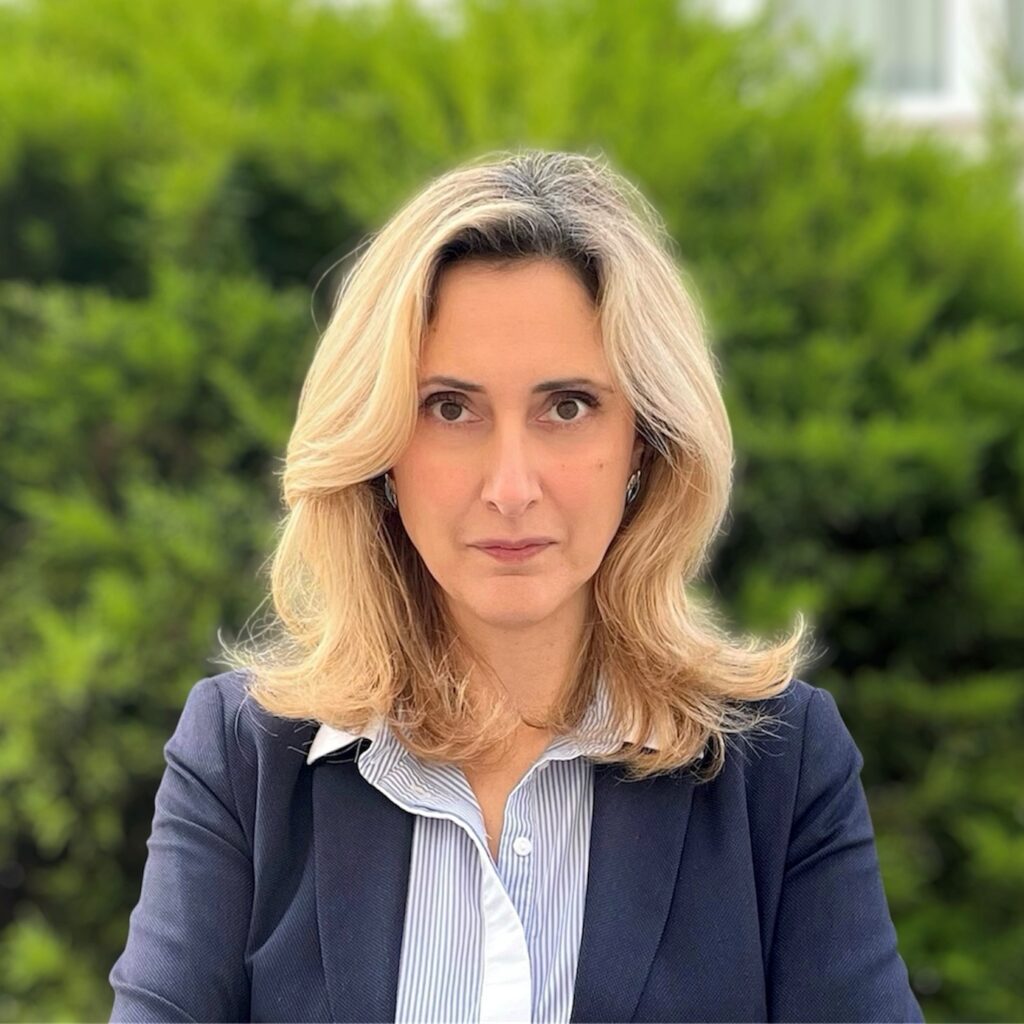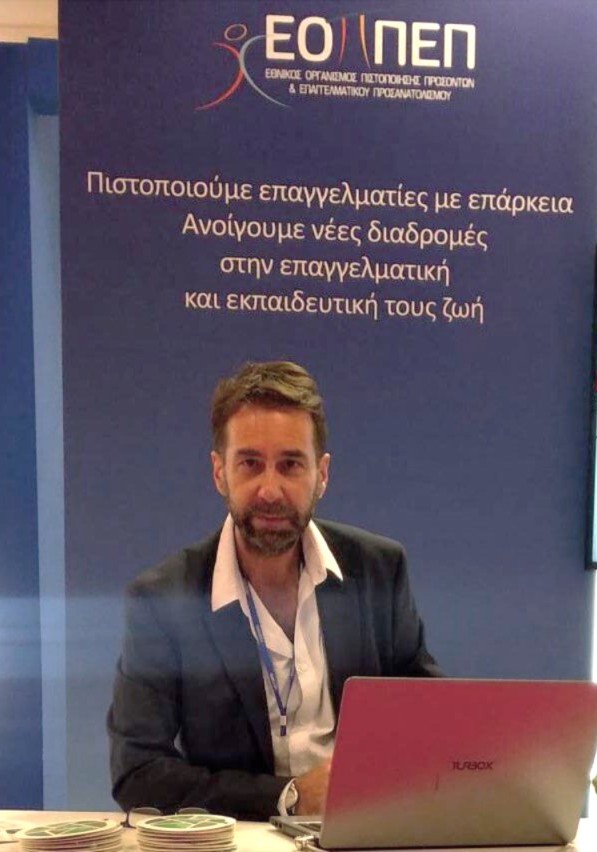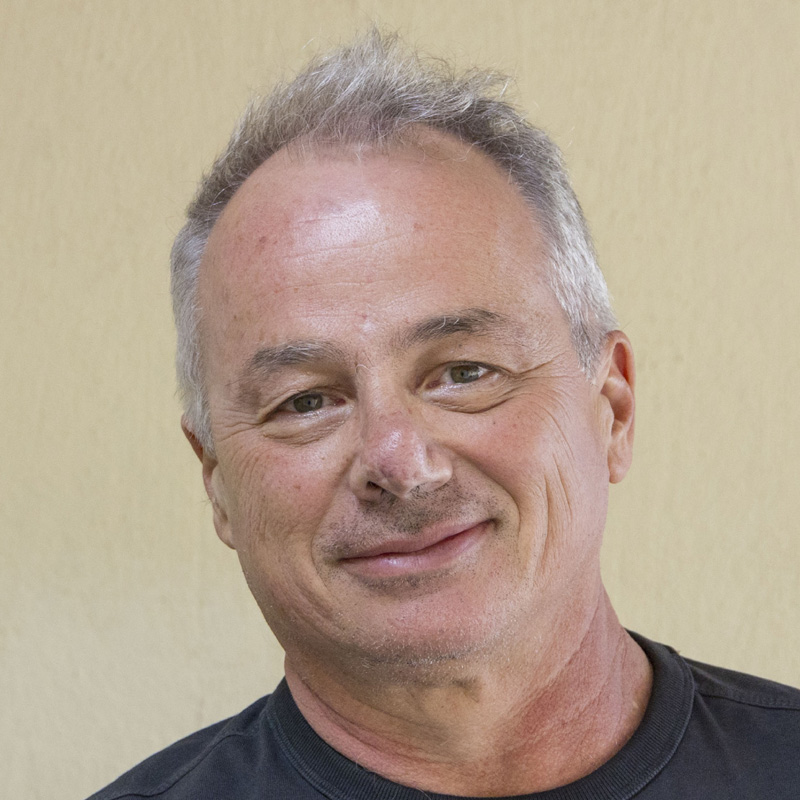


Scientific Coordinators: Dimitris Deligiannis, Manos Pavlakis
Timeline: April 2026 – October 2027
The project “Educational Methodology for Skills Development in Municipal Programs” concerns a set of actions for the gradual development, testing, and institutional uptake of skills-development interventions at local and regional level, with a time horizon from April 2026 to October 2027. Their design and implementation are based on a clearly structured sequence of phases, which interact and progressively lead from needs assessment to the creation of applicable and sustainable models for policy and educational planning.
The aim is the development of local action plans supporting skills development programs, with an emphasis on individuals with low qualifications, in cooperation with local stakeholders. The project is complementary to the action “Lifelong Learning Centers – Lifelong Education Programs,” proposed under the Operational Programme “Human Resources and Social Cohesion” of the 2021–2027 Programming Period.
The project activities are structured as follows:
- The first action focuses on the systematic diagnosis of skills development needs at local and regional level and the identification of target groups. Emphasis is placed on the development of soft skills, as well as the strengthening of digital and green skills among participating citizens.
This action combines evidence-based analysis with participatory research, using clearly defined tools and roles. It begins with an extensive literature review and the study of European and Greek experience, focusing on documents, reports, and research data from the operation of Municipal Lifelong Learning Centers, sources from the General Secretariat for Lifelong Learning, the experience of “Learning Cities” in Greece and internationally, as well as best practices from European programs.
In addition, two (2) focus groups will be conducted as a key qualitative research tool:
The first focus group includes representatives of local and regional government (municipalities and regions) and aims to capture strategic priorities, institutional constraints, and existing planning mechanisms.
The second focus group includes representatives of civil society, such as Youth Municipal Councils, NGOs, and Chambers of Commerce, aiming to highlight citizens’ perspectives and the needs of local communities.
The combined analysis of the focus groups enables comparison of perspectives and identification of both shared priorities and differentiated needs, with special emphasis on low-qualified individuals and barriers to participation in adult education.
This action also includes validation of findings through quantitative research targeting a broader sample of local and regional government officials, adult educators, and active citizens. It aims to capture perceptions regarding skills development needs, barriers to participation in lifelong learning, and the effectiveness of existing structures and interventions. Quantitative data complement qualitative findings, enabling prioritization and strengthening the evidence base for policy and educational design recommendations.
- The second action focuses on the design and development of an educational methodology handbook for skills development. The handbook is conceived as a practical design tool and includes interconnected stages of a unified design cycle:
- a) methodology for designing the content of local/regional adult education programs,
- b) teaching methodology (emphasis on active learning techniques, use of arts in education, and applications of artificial intelligence),
- c) methodology for developing educational materials,
- d) methodology for evaluating programs and learning outcomes,
- e) examples of three pilot program designs at local/regional level in cooperation with local stakeholders.
The pilot program examples are implemented in municipalities with different geographic and socio-economic characteristics (Thermi, Tilos, and Larissa), enabling testing in heterogeneous contexts. It is noted that Thermi and Larissa belong to the UNESCO Global Network of Learning Cities, while Tilos has received European recognition for its initiatives.
Specifically:
- Municipality of Thermi: implementation of the innovative “Coopskills” program, in collaboration with the private sector (chambers of commerce, enterprises, etc.) and adult education providers. The program links learning with real employment opportunities through reskilling workshops for young citizens, supported by the local Youth Council, aiming at green and digital transition skills development. Thermi is part of the UNESCO Learning Cities network and European Youth Capital 2026. The program is implemented in parallel in cities in Cyprus, Lithuania, and Spain.
- Municipality of Tilos: since June 2021, the “Just Go Zero” initiative has been implemented, resulting from cooperation between the private sector and local government following the municipality’s decision to become a Zero Waste certified municipality. Through continuous education and awareness-raising among residents, businesses, and visitors, the island has achieved 100% diversion from landfill and closure of its landfill site, with recycling rates approaching 90%, compared to the EU target of 60% by 2030.
- Municipality of Larissa: implementation of the innovative blended learning program “Art in Education,” developed by the “University of Citizens.” The program promotes critical thinking and creativity through the use of artworks, with emphasis on local historical collections. It was implemented in cooperation with the Adult Education Scientific Association, the Municipal Art Gallery, and the Diachronic Museum of Larissa. Larissa is the first Greek city to join the UNESCO Learning Cities network, was awarded in 2017 for its work in adult education, and served as UNESCO coordinator city for Citizenship Education (2019–2020).
- The third action concerns the synthesis of results, evaluation of the pilot experience, and development of a framework for institutional utilization and synergies aimed at:
- a) diagnosing skills development needs at local and regional level,
- b) developing local/regional adult general education programs.
Findings from the needs assessment, quantitative research, and pilot implementation are integrated into a coherent Roadmap of cooperation among municipalities, regions, social and educational organizations, chambers, and enterprises. The Roadmap aims to facilitate scalability and sustainability of interventions and their alignment with current and future lifelong learning policies.
The project’s innovative character lies in the systematic use of experience from the Learning Cities Network and its alignment with UNESCO principles and cooperation frameworks, combined with a structured, time-evolving educational design approach.
The combined use of qualitative and quantitative data, as well as the project’s linkage with the European Year of Volunteering, highlights the role of non-formal and informal learning and active citizenship as key factors for skills development and community empowerment.
Additional innovation elements include the holistic needs diagnosis process, the integration of green, digital, and soft skills development, the use of artificial intelligence applications, and the incorporation of arts-based education methodologies.